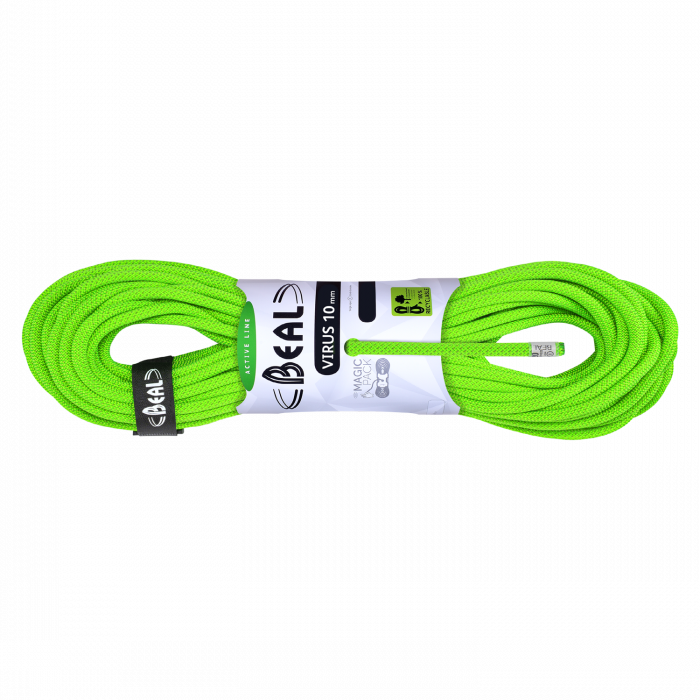
Single or Full Rope
One rope, clipped into every piece. Best for sport, top rope, gym and most first outdoor rope purchases.
Shop single ropes →
Rope systems
Full ropes, half ropes and twin ropes are not just different thicknesses. They are different systems, with different clipping rules, belay methods and consequences.
Compare the systemsSafety first
Rope systems are life-support systems. Use this guide to understand terminology and make better buying decisions, not to teach yourself belaying, leading, rappelling or multi-pitch systems. Learn from a qualified instructor or competent mentor, read the instructions for your exact rope and belay device, and never use a rope outside the rating and technique it was tested for.
Short answer
In most climbing shops and conversations, a "full rope" means a single rope: one dynamic rope used by itself for sport climbing, top roping, gym climbing, many trad routes and most beginner outdoor climbing. It is the simplest rope system to learn and the right first rope for most climbers.
Half ropes and twin ropes are two-rope systems. They are useful for specific trad, alpine, ice and multi-pitch situations, but they demand more skill from the climber and belayer. The biggest mistake is thinking a half or twin rope is just a thinner single rope. It is not, unless the rope is also certified for single-rope use.
One rope, clipped into every piece. Best for sport, top rope, gym and most first outdoor rope purchases.
Shop single ropes →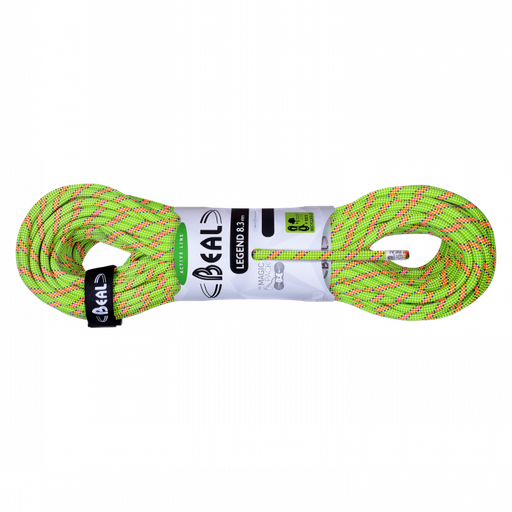
Two ropes, clipped separately and usually alternated. Best for wandering trad, long routes and rappels.
Shop half ropes →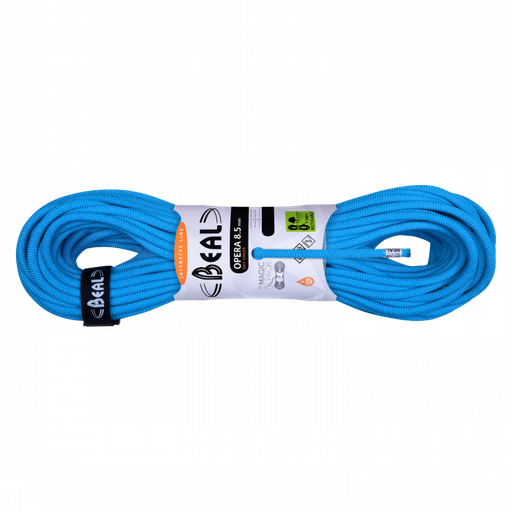
Two ropes, both clipped into every piece. Best for specialist mountain systems, not casual sport climbing.
Shop specialist ropes →| Rope Type | Marking | How Many Ropes? | How You Clip | Best Use | Main Advantage | Main Tradeoff |
|---|---|---|---|---|---|---|
| Single / Full Rope | Circled 1 | One rope | Clip the same rope into every quickdraw or piece of protection. | Gym, top rope, sport climbing, most beginner outdoor climbing, many trad routes. | Simplest system, easiest rope management, widest belay-device compatibility. | Less redundancy; rappels are limited unless you carry or fix another rope. |
| Half Rope | Circled 1/2 | Two ropes used as a pair | Clip one strand at a time, often alternating left and right protection. | Wandering trad routes, multi-pitch, alpine, ice climbing, long rappels. | Reduces rope drag and gives two strands for full-length rappels and redundancy. | More complex belaying and clipping; not a single rope unless also rated as one. |
| Twin Rope | Infinity symbol | Two ropes used as a pair | Clip both strands together through every piece of protection. | Straighter multi-pitch rock, alpine and ice routes where two-rope rappels matter. | Two strands for redundancy and long rappels, usually with thinner rope diameters. | Does not reduce rope drag like half ropes; both strands must be clipped together. |
A rope's end marking tells you how it was designed and tested: single, half, twin, or sometimes more than one rating. Do not assume that a thin rope can be used alone because it feels strong in your hands.
A triple-rated rope can be used in single, half or twin systems, but only with the correct clipping and belay method for the system you are using that day.
Lead climbing and top roping use dynamic ropes because they stretch to absorb fall energy. Static ropes are for fixed-line, hauling, rescue and access work, not normal climbing falls.
A rope can be certified and still be wrong for your belay device. Thin ropes move quickly, thick ropes can feed badly, and many assisted-braking devices are single-rope tools only.
Single ropes
Single ropes are the default for sport climbing, top roping, gym climbing and most first outdoor setups. One climber ties into one rope, the leader clips that rope into every quickdraw, and the belayer manages one strand through a compatible belay device.
For South African sport crags, a durable single rope usually makes the most sense. Beginners and frequent top-ropers are better served by a thicker, more forgiving rope than an ultra-thin performance cord.
Half ropes are used as a pair. The leader clips one strand into one piece of protection and the other strand into another piece, usually alternating sides. The goal is not just redundancy; it is cleaner rope lines. On wandering trad routes, roofs, traverses and zig-zag pitches, half ropes can reduce rope drag dramatically.
Why climbers use them
If the route moves left and right, a single rope can snake through protection and become heavy to pull. Half ropes let each strand run straighter.
Extra options
Two ropes can be tied together for longer rappels than a single rope allows. That matters on long multi-pitch routes, descents and retreat plans.
Real cost
Belaying two strands, paying out the correct rope and avoiding tangles are learned skills. Half ropes are not a beginner shortcut.
Important warning
A half rope is not used as a single strand for ordinary lead climbing unless it also carries a single-rope rating and the full system supports that use.
Twin ropes are also a two-rope system, but the clipping rule is different: both strands are clipped into every piece of protection. In practice, they behave more like one rope split into two skinny strands. They give you two ropes for long rappels and redundancy, but they do not solve wandering-route rope drag the same way half ropes do.
Twin technique means both ropes go through the same carabiner at each protection point. Alternating strands is half-rope technique, not twin-rope technique.
Twin ropes make more sense on straighter alpine, ice or multi-pitch routes where two-rope rappels matter but rope drag is not the main problem.
For most South African sport climbers, twin ropes are a niche tool. A single rope will usually be safer, simpler and more useful.
Your belay device must be compatible with two thin rope strands. Do not assume an assisted-braking single-rope device can manage twin ropes.
Triple-rated ropes
Some ropes are certified for single, half and twin use. Rockit lists ropes such as the Beal Joker and Opera as triple-rated. That versatility is powerful, especially for experienced climbers who move between sport, trad and mountain objectives.
But a triple-rated rope does not decide the system for you. If you use it as a single, clip it as a single. If you use two as half ropes, belay and clip with half-rope technique. If you use two as twins, clip both strands into every piece. The rope rating opens options; it does not remove technique.
First outdoor rope
Choose a 60 m or 70 m single rope in a durable diameter that suits your belay device. For most beginners, this is the cleanest, safest buying path.
View single ropes →Sport projecting
Repeated falls, lowers and top-rope laps wear ropes. A slightly thicker single rope can be a better long-term buy than a featherweight rope.
Compare rope options →Wandering trad
If your routes wander, protection sits far left and right, or long rappels are normal, half ropes may be the right system once you have the skill to manage them.
View half ropes →Mountain specialist
Twin ropes shine in specific mountain contexts, but they are not a standard first climbing rope. Buy them only when you know exactly why your route calls for them.
View specialist ropes →Thin ropes are light and lovely, but they can run quickly through belay devices and wear faster under heavy top-rope use. Skill should come before skinny gear.
Half ropes are usually clipped separately. Twin ropes are clipped together. Mixing those systems without understanding the rope rating and manual is dangerous.
A rope must be long enough for the route, lower-off and descent plan. Tie a stopper knot in the free end and confirm lengths from current route information.
Rope choice and belay-device choice are linked. A device that works beautifully with a 10 mm single rope may be wrong for two skinny half ropes.
Bottom line
If you climb gym, top rope or single-pitch sport, buy a single rope that matches your route length and belay device. If you climb wandering trad, multi-pitch, alpine or ice routes, learn half and twin systems from someone competent before buying. The right rope is not the thinnest or most technical one; it is the one that matches the system you can use correctly.
This guide was informed by REI Expert Advice on choosing climbing ropes, Beal rope product specifications such as the Legend 8.3 half rope, and manufacturer safety principles around using ropes only within their marked ratings and device compatibility. Manufacturer rope and belay-device instructions take priority over this summary.
Need help choosing?
Tell us where you climb, your usual route length, your belay device and whether you climb sport, trad or multi-pitch.
Ask on WhatsApp