Climbing System
Everything needed for tying in, belaying, clipping, lowering and managing the rope safely.
View quickdraws →
Crag day checklist
A full day-pack checklist for single-pitch sport climbing, with a trad-crag addendum for days when bolts are not the whole protection system.
Pack the sport kitRead this first
This guide helps you avoid forgetting important items. It does not teach belaying, leading, anchor cleaning, rappelling, trad protection placement or emergency response. Pack gear only for systems you know how to use, and climb with competent people who understand the crag, route and equipment.
Short answer
A good sport-crag pack is not just rope, draws and shoes. It also covers water, food, layers, sun protection, first aid, navigation, access information, waste, medication and a way to get out if the day runs long.
Trad days add another layer: protection, gear organisation, anchor material, route finding, retreat options and more emergency margin. Do not bring trad gear just because it looks impressive. Bring it because the route requires it and someone in the team can place, assess and remove it competently.
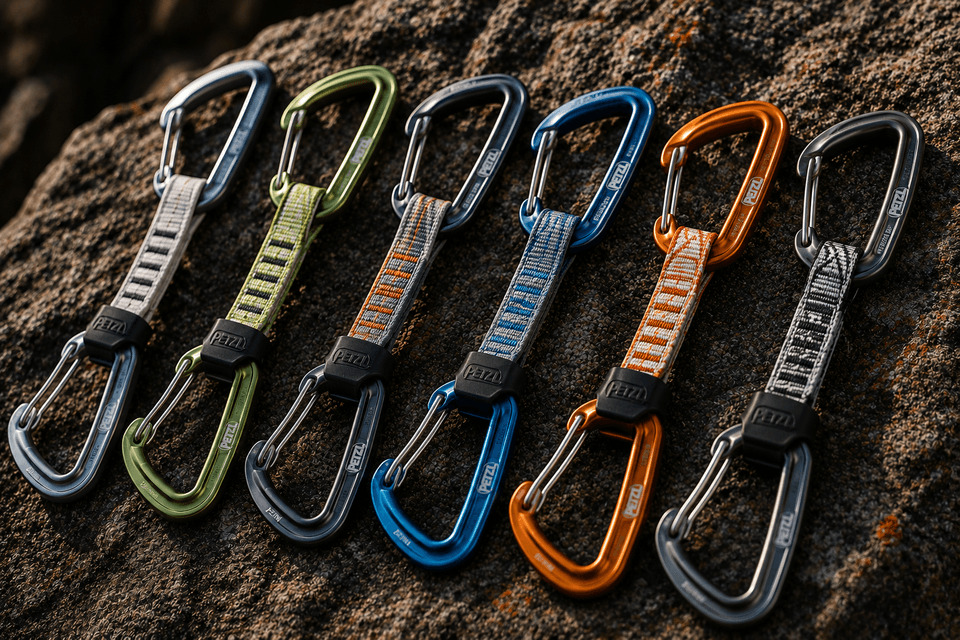
Everything needed for tying in, belaying, clipping, lowering and managing the rope safely.
View quickdraws →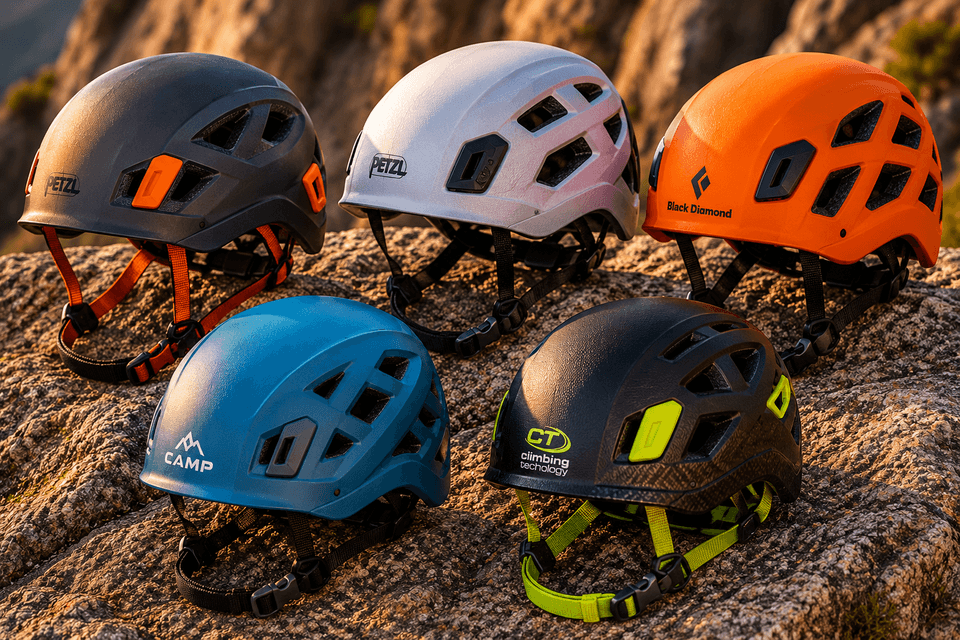
Water, food, clothing, medication, first aid, sun protection, headlamp and personal comfort.
View helmets →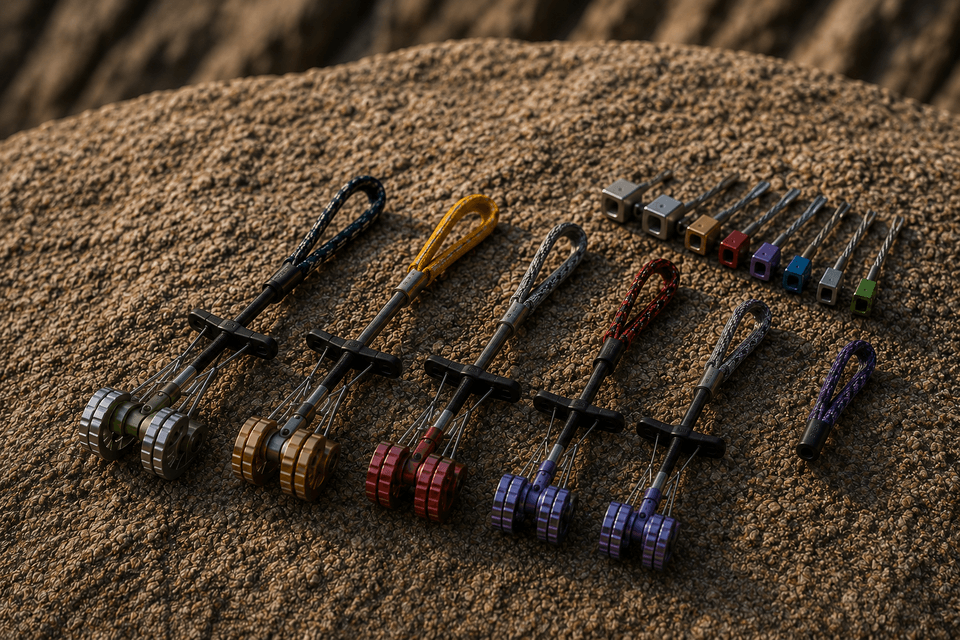
Protection, gear sling, nut tool, anchor material and extra planning for routes without fixed bolts.
Jump to trad addendum →| Category | Pack | Why It Matters | Rockit Notes |
|---|---|---|---|
| Personal Climbing Gear | Helmet, harness, shoes, chalk bag, chalk, belay gloves or tape if needed. | These are the items each climber should personally check, fit and understand. | Helmet stays on at the base where rockfall, dropped gear or uneven movement are possible. |
| Rope System | Dynamic single rope, rope bag or tarp, stopper knot habit, route-length information. | The rope must be long enough for the route and compatible with the belay device. | For many sport crags, 60 m or 70 m is common, but always check the actual route and lower-off height. |
| Belay System | Belay device, suitable locking carabiner, backup locking carabiner, partner-check routine. | Belay devices only work when correctly loaded, locked and controlled by the brake hand. | Assisted braking still requires attention. Tube devices still require full brake-hand discipline. |
| Sport Hardware | Enough quickdraws for the route, plus a spare or two where appropriate. | Running out of draws mid-route creates avoidable stress and bad decisions. | Check the guidebook or route description. Do not assume every sport route needs the same number. |
| Anchor and Cleaning Plan | Only the gear your mentor has planned for the specific anchor system. | Anchor cleaning and lowering mistakes are serious. Do not improvise at the top. | Ask what the anchor looks like before climbing. Practise on the ground before doing anything above ground. |
| Route Information | Guidebook, offline topo, route name, grade, length, number of bolts, descent method. | Knowing the route reduces rushing, confusion and anchor surprises. | Take screenshots before leaving signal. Confirm whether the route lowers, rappels or tops out. |
| Crag Comfort | Water, lunch, snacks, electrolytes, sit pad, approach shoes, spare socks. | Tired, hungry or dehydrated climbers make worse decisions. | Pack more water than you think for hot South African crags, especially if the approach is exposed. |
| Weather Protection | Sunscreen, sunglasses, cap or buff, warm layer, rain shell, wind layer. | Crags can swing from hot sun to cold wind quickly, especially when belaying. | Belayers get cold while climbers get hot. Pack for both roles. |
| Emergency Basics | First-aid kit, medication, emergency blanket, headlamp, phone, power bank, whistle. | Small problems become bigger when the walk-out is long or daylight disappears. | Medication includes personal needs such as asthma inhaler, allergy treatment or chronic meds. |
| Access and Admin | Parking info, permits, gate times, cash/card where needed, emergency contact, map. | Access problems waste time and can threaten local climbing relationships. | Leave a plan with someone not on the trip if the crag is remote or signal is unreliable. |
| No Trace Kit | Trash bag, toilet paper, hand sanitizer, small trowel where appropriate, brush for tick marks. | Good crag behavior protects access and keeps climbing areas open. | Pack out tape, snack wrappers, fruit peels, cigarette butts and anything your group brought in. |
Packing logic
A crag pack works best when you check it in layers. First, pack the climbing system. Second, pack the human comfort system. Third, pack the emergency and access system. If one layer is missing, the day can still go sideways even when the rope and quickdraws are perfect.
Each climber
Helmet, harness, shoes, chalk, personal medication, water, food, layers, sun protection and any personal comfort item that affects decision-making.
Belayer
Belay device, compatible locking carabiner, backup locker and a known belay method. The belayer should check rope/device compatibility before the day starts.
Team
Rope, quickdraws, rope tarp, route information and any planned anchor or cleaning gear. Decide who brings what before the morning of the trip.
Team
First aid, power bank, headlamp, map, emergency contact plan, trash bag and enough water reserve that the group can stay functional if the day runs longer than expected.
Helmet, harness, shoes, chalk, rope, draws, belay device, water, snacks, sun layer, first aid and route info. Keep the climbing objective simple.
Add extra water, electrolytes, sun shirt, cap, sunglasses, sunscreen, shade plan and a conservative turnaround time.
Add proper approach shoes, spare socks, headlamp, map, compact pack system and less unnecessary gear. Weight matters on the way out.
Add better route information, offline maps, access notes, permit details and extra time. The unknowns are part of what you are packing for.
Trad addendum
Trad climbing is not sport climbing with extra metal. The leader places protection, builds or assesses anchors, manages rope drag, chooses descent systems and carries more responsibility for route finding. Do not pack a trad rack unless someone in the team can place and evaluate gear competently.
| Add-On Category | Pack | Why It Matters | Rockit Notes |
|---|---|---|---|
| Protection Rack | Nuts, cams, hexes or other protection appropriate to the route. | The rack replaces fixed bolts as the leader's protection system. | Rack choice depends on rock type, crack size, route length and local style. |
| Racking System | Gear sling or harness racking plan, colour organisation, spare carabiners. | A messy rack wastes time and creates poor placements when the leader is pumped. | Practise finding sizes quickly before leading above gear. |
| Nut Tool | Nut extraction tool, ideally on a secure leash. | The second needs to remove passive gear without damaging it or dropping it. | Seconding trad well is a real skill, not an afterthought. |
| Slings and Extensions | Single-length and double-length slings, alpine draws, extra carabiners. | Extensions reduce rope drag and help protection load more predictably. | Wandering routes usually need more extension than sport routes. |
| Anchor Material | Locking carabiners, cord or slings, belay device suitable for the system. | Trad anchors may be built from gear, trees, bolts, threads or mixed placements. | Anchor building must be learned hands-on. Do not invent anchors from a checklist. |
| Rope System | Single rope, half ropes or twin ropes depending on the route and descent. | Trad routes often wander and may require longer rappels or better rope-drag management. | Half ropes are useful only when the team knows half-rope technique. |
| Route Finding | Guidebook, topo, route photo, descent description, offline map. | Trad climbs often require more route judgment than sport climbs. | Know the descent before leaving the ground. |
| Retreat Margin | Extra sling or cord, bail carabiner, headlamp, warmer layer, emergency plan. | Trad days can take longer and retreat can require leaving gear. | If leaving one carabiner would ruin the day, you packed too tightly. |
Trad reality check
At a sport crag, the protection line is usually obvious. At a trad crag, the leader chooses protection, spacing, extension and sometimes even the line. That changes the packing list because the gear is not just equipment; it is the protection system.
Do not bring a device, anchor tool or trad piece you plan to learn on the sharp end. Practise on the ground first.
Big chairs, heavy coolers and extra bags can clutter a small crag base. Pack comfort without taking over the whole area.
Keys, phones and wallets should be secured before anyone climbs. A phone dropped from a ledge becomes a hazard as well as a bad day.
Loud music, unmanaged pets, trash and bad parking do not belong at the crag. They also threaten access for everyone.
This packing guide was informed by REI's sport climbing checklist, REI's trad climbing checklist, and the Leave No Trace 7 Principles. Local crag rules, current route information and qualified instruction take priority over any general list.
Need help packing?
Tell us the crag, route style, group experience and rope system, and we will help you sanity-check the pack.
Ask on WhatsApp