Stabilise the Situation
Back up the system, secure the climber, communicate clearly and stop the situation getting worse.

Climbing safety skills
Self-rescue is not about pretending you never need help. It is about having enough rope-system knowledge to stabilise a problem, reduce panic, and make better decisions while help is still on the way.
Start with the basicsThe uncomfortable truth
A stuck rope, a dropped belay device, a leader who cannot continue, a second who cannot climb past a move, a bad lower-off plan, weather arriving early, or a tired partner on a long route can turn a normal climbing day into a serious situation. Self-rescue skills give you options before the problem becomes an emergency.
Back up the system, secure the climber, communicate clearly and stop the situation getting worse.
Good rope-system knowledge slows the situation down and gives the team space to make calmer decisions.
Many solutions use ordinary kit: locking carabiners, slings, prusik cord, belay devices, ropes and knots.
Self-rescue does not mean refusing rescue. It means keeping people safer while help is being organised.
Skills worth learning
Start with repeatable, supervised skills that make common climbing problems less dangerous.
Stuck ropes, bad communication, cleaning mistakes and injured climbers can still happen close to the ground.
More height means more anchors, rappels, rope management and retreat decisions made far from the ground.
Trad climbers need to understand anchors, direction of pull, belayer position and improvised solutions.
A small issue feels different when reception is poor, daylight is fading or the walk-out is long.
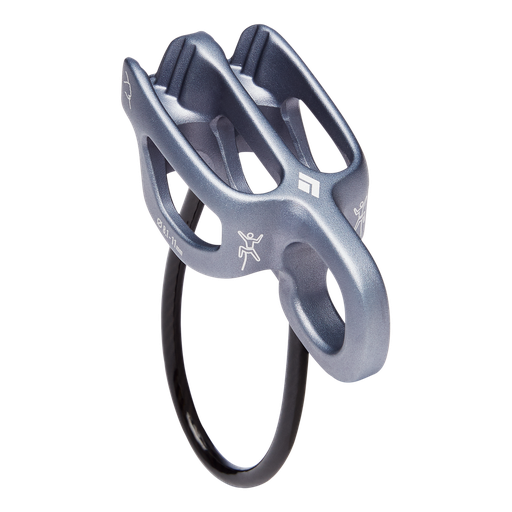
Belay Device
Guide mode and rappelling
Devices such as the Black Diamond ATC-Guide, Alpine ATC-Guide and Singing Rock Shuttle are useful for multipitch belaying, rappelling and supervised rescue-practice scenarios.
View belay devices →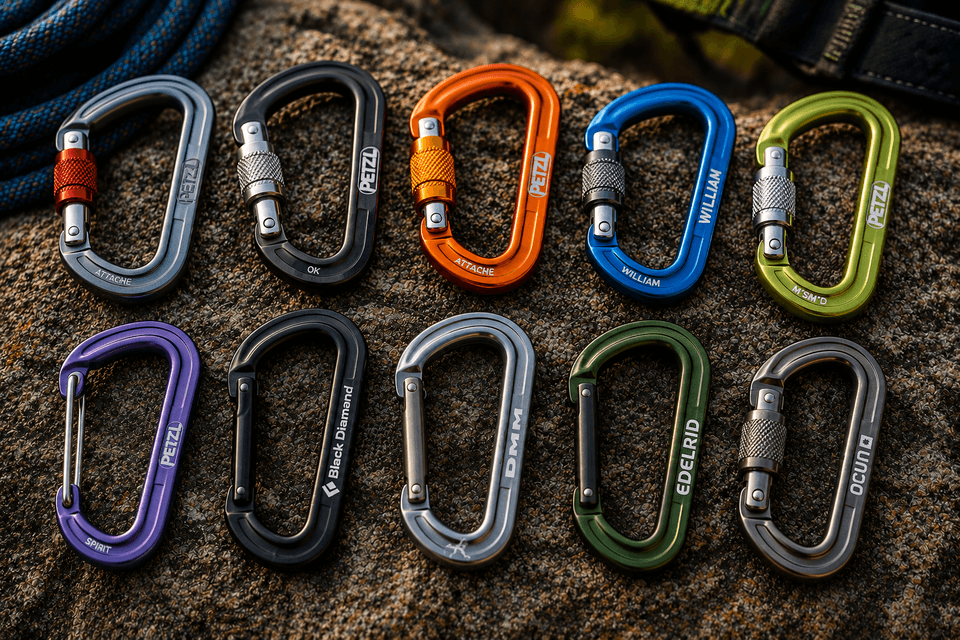
Carabiners
Anchors, munter hitch and belay systems
Pear-shaped locking carabiners are workhorses for belays, anchors, munter hitches and improvised rope-system practice.
View carabiners →
Ropes
Practice on the system you climb on
Learn rope handling on a rope diameter that matches your climbing and belay device.
View ropes →
Accessories
Small items, big usefulness
Small rescue-support items are only useful when you know how to use them. Build a simple kit, then practise with a competent instructor or mentor.
Ask Rockit about accessories →Important limit
Self-rescue systems are loaded rope systems. Small mistakes can have severe consequences. Use this article to understand what to learn, then get hands-on instruction and practise in controlled settings before relying on any technique outdoors.
This article is informed by general descriptions of climbing self-rescue and rope-system problem solving, including VDiff Climbing's self-rescue introduction, belay safety concepts, and prusik hitch rescue applications.
Build skills before you need them
Tell us what climbing you do now: gym, sport, trad or multi-pitch. We can help you choose what to learn next.
Ask Rockit on WhatsApp Back to Articles