Control, safety, and confidence on the wall.
Belay devices control the rope during climbing and falls. The right choice depends on your experience, climbing style, and environment.
Simple, reliable, and ideal for learning proper belay technique.
Many climbers choose tubular belay devices such as the Black Diamond ATC, Black Diamond ATC-XP, because they are lightweight, durable, versatile, and excellent for learning proper belaying technique and rope management. They work well for lead climbing, top-roping, rappelling, and multipitch climbing, especially in outdoor environments where simplicity and reliability are valued. However, beginners should note that many climbing gyms now require assisted-braking devices for belaying, particularly for lead climbing.
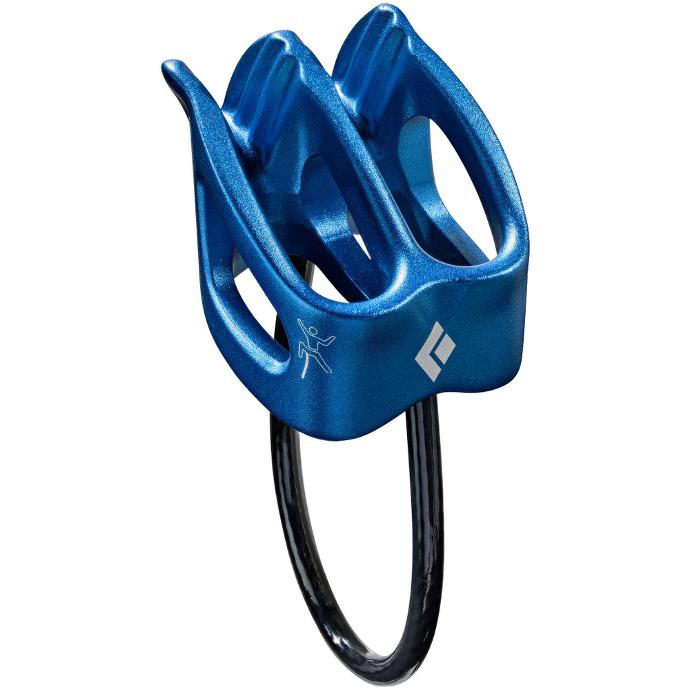
The Black Diamond ATC-XP is a lightweight tubular belay and rappel device with a high-friction mode that provides extra stopping power when belaying or rappelling. It is popular because it is simple, durable, affordable, and excellent for learning proper belaying technique. The ATC-XP can be used for lead climbing, top-roping, and rappelling, but it is not an assisted-braking device and does not have guide mode for multipitch climbing.
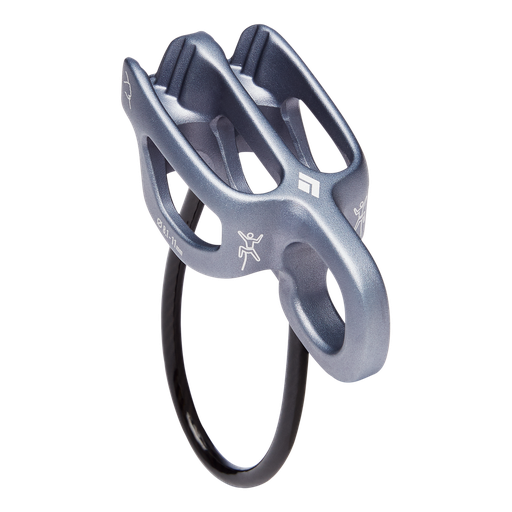
The Black Diamond ATC Guide Belay Device is a versatile tubular belay and rappel device designed for lead climbing, top-roping, rappelling, and multipitch climbing. Unlike the standard ATC-XP, it includes "guide mode," which allows a climber to belay one or two seconding climbers directly from an anchor with an auto-blocking function. Climbers like it because it is lightweight, durable, reliable, and excellent for outdoor and trad climbing. However, it is still not an assisted-braking device for normal belaying
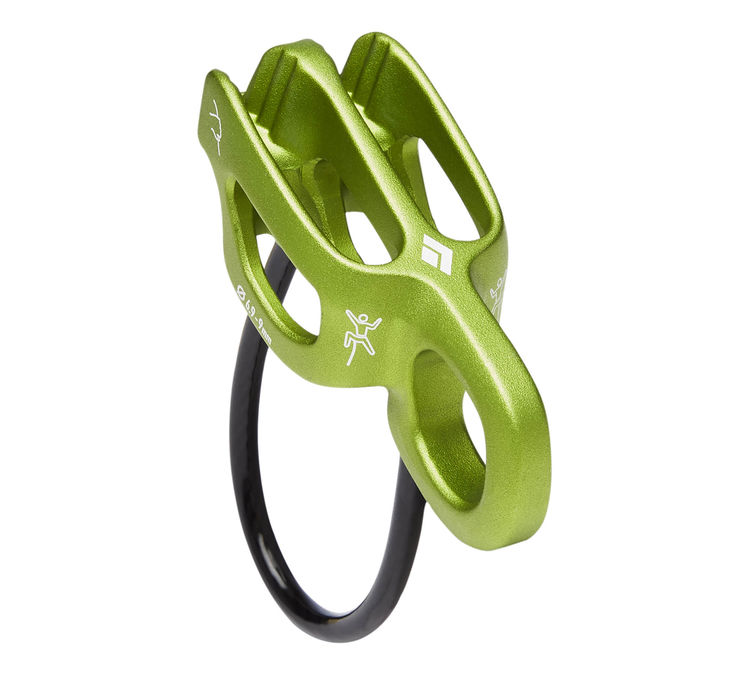
The Black Diamond ATC Alpine Guide is an ultralight tubular belay and rappel device designed for alpine, trad, and multipitch climbing. It includes guide mode for belaying directly from an anchor and is optimized for thinner ropes commonly used in alpine climbing, supporting single ropes from approximately 8.1-8.5 mm and half/twin ropes from around 6.9-8.1 mm. Climbers choose it because it is compact, lightweight, durable, and versatile, making it ideal for long routes where saving weight matters.
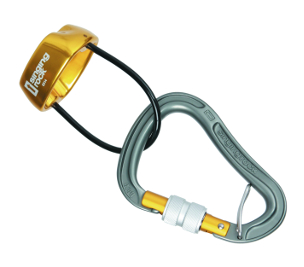
The Singing Rock Buddy Belay Set is a lightweight and compact tubular belay device designed for sport climbing, gym climbing, and rappelling. It offers smooth rope handling, good heat dissipation, and works with single or double ropes from approximately 7.8-11 mm. Climbers like it because it is simple, affordable, and easy to use while still providing good control for belaying and lowering. Like other tubular devices, it is not an assisted-braking device, and many climbing gyms now require assisted-braking devices for lead belaying.
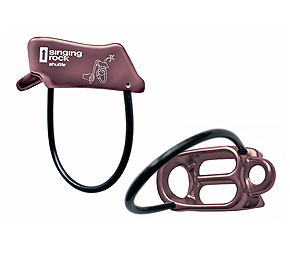
The Singing Rock Shuttle is a lightweight and versatile tubular belay and rappel device designed for sport, trad, and multipitch climbing. It features guide mode with an auto-blocking function for belaying one or two seconding climbers directly from an anchor, while V-grooves provide increased friction for better control when belaying or rappelling. The Shuttle works with single, half, and twin ropes from approximately 7.8-10.5 mm, making it suitable for a wide range of climbing styles and rope sizes.
Provides additional braking support under load. Ideal for sport and gym climbing.
Assisted-braking belay devices are designed to provide additional braking support if a climber falls or weights the rope, helping reduce the chance of the rope slipping through the belayer's hands. Devices such as the Beal Birdie, Wild Country Ropeman Rama, and Black Diamond ATC Pilot are popular because they add an extra layer of safety while still allowing smooth feeding and lowering of the rope. Many beginner climbers prefer assisted-braking devices because they can help manage catches more effectively, especially when there is a large weight difference between climber and belayer. These devices are commonly accepted - and often required - in indoor climbing gyms for lead belaying. However, assisted braking does not replace proper belay technique, and a brake hand must always remain on the rope.
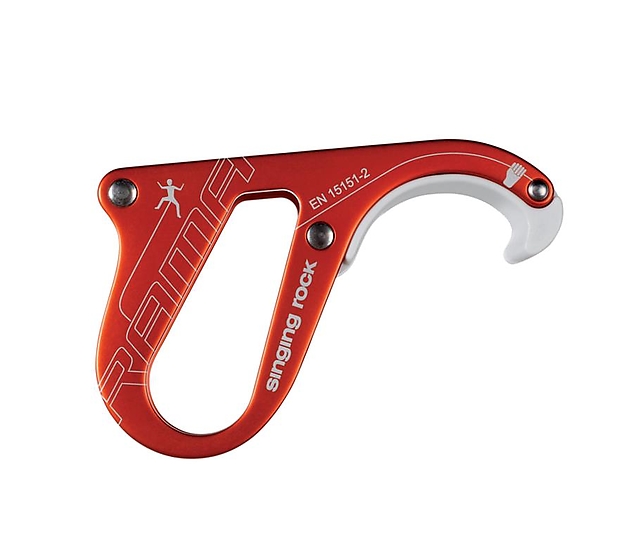
The Singing Rock RAMA is Rockit's preferred enhanced-braking belay device for gym climbing and single-pitch sport climbing. It offers simple rope handling, smooth payout and controlled lowering, while its no-moving-parts design makes it easy to inspect. It is compatible with 8.7-11 mm single ropes when paired with a suitable locking carabiner.
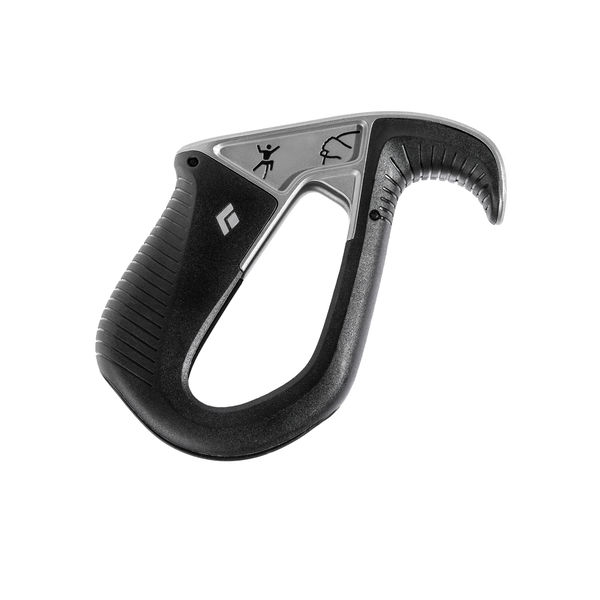
The Black Diamond ATC Pilot is an assisted-braking belay device designed for gym climbing and single-pitch sport climbing. It combines the familiar feel of a tubular belay device with additional braking assistance, making it intuitive and easy to learn for many climbers. The ATC Pilot is known for smooth rope payout, controlled lowering, and a durable steel construction with no moving parts, making it easy to inspect and highly resistant to heavy gym use. It is compatible with single ropes from approximately 8.7-10.5 mm and is popular with both beginner and experienced climbers looking for a simple, reliable assisted-braking device.
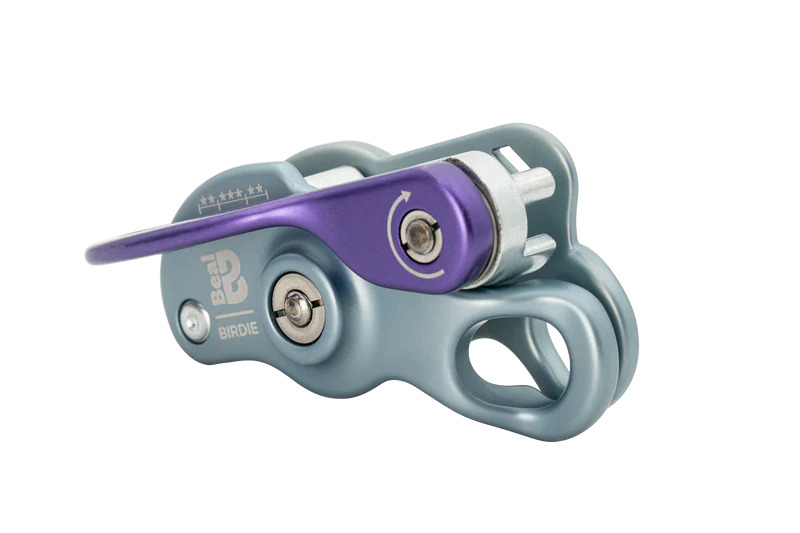
The Beal Birdie is a compact assisted-braking belay device designed for gym climbing, sport climbing, and lead belaying. It uses a cam-assisted braking system that provides additional support when catching falls while still allowing smooth rope feeding and controlled lowering. The Birdie is particularly well regarded for paying out slack quickly and smoothly during lead climbing, with a cam design that many climbers find less prone to locking up unintentionally while feeding rope. It is compatible with single ropes from approximately 8.5-10.5 mm and is popular with climbers looking for a durable, reliable, and easy-to-inspect device for regular climbing use.
Used for rappelling and controlled descent rather than modern sport belaying.
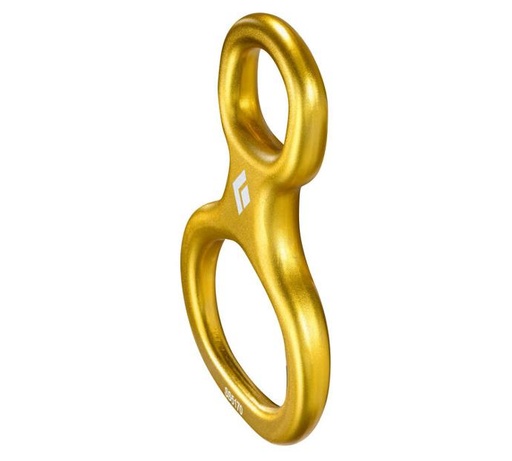
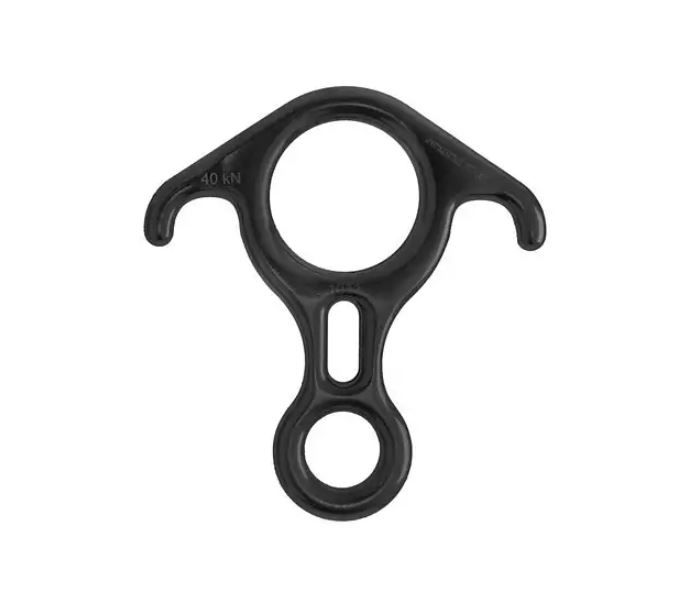
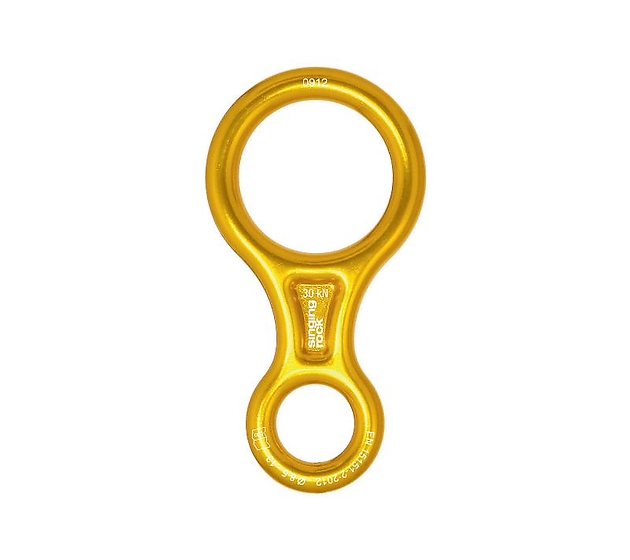
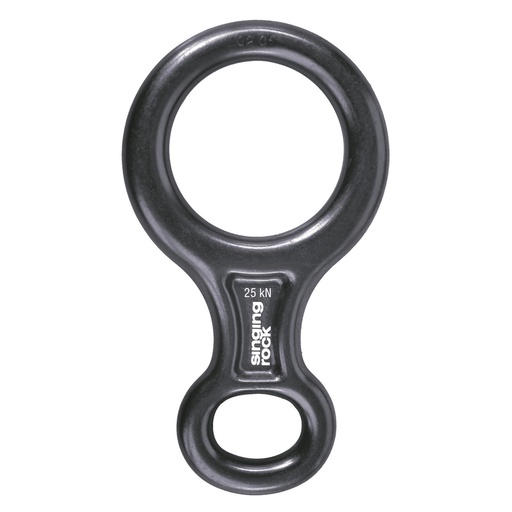
Figure 8 descenders and rescue 8s are simple, durable friction devices primarily used for rappelling, rescue work, canyoning, and rope access applications. Standard figure 8 devices are lightweight and provide smooth rope handling for descending, while rescue 8s are larger and designed to handle heavier loads, thicker ropes, and more complex rescue situations. Rescue 8s often include "ears" or horns that allow rescuers to lock off the rope securely during lowering operations. Many climbers and rescuers value figure 8 devices because they are mechanically simple, easy to inspect, highly durable, and work well in dirty, wet, or harsh environments. However, they are generally not recommended for modern gym belaying or regular lead belaying, as they provide less braking assistance and can twist ropes during repeated use.