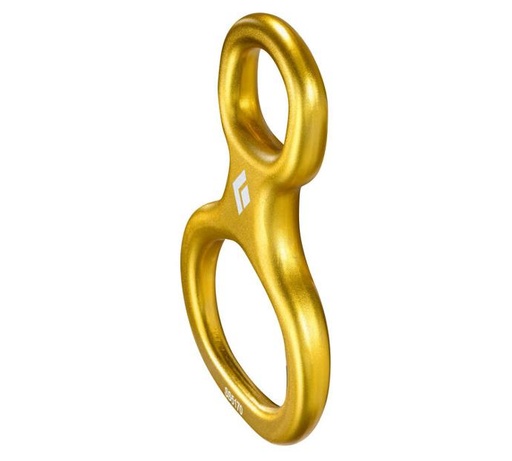
Black Diamond Super 8
A compact classic-style figure 8 for rappelling and basic descending use.
View belay devices →
Descender guide
Simple, smooth and durable, figure 8 descenders still have a place in rappelling, rescue and specialist rope work. They also have limits that modern climbers should understand before buying one.
Compare the variantsSafety first
Descending a rope is a life-critical skill. This article explains the gear category and buying choices, but it does not teach rappelling, rescue lowering, canyoning, caving, rope access or belaying. Learn from a qualified instructor or competent mentor, use a backup where appropriate, read the instructions for your exact device, and keep control of the brake strand at all times.
Short answer
A figure 8 descender is a metal friction device shaped like an eight, with a large hole and a smaller attachment hole. The rope is wrapped around the body of the device to create friction, allowing a controlled descent when the brake strand is managed correctly.
Figure 8s are smooth, simple and good at dissipating heat. That is why they remain useful for rappelling, rescue, caving, canyoning and some rope-work contexts. They are not the default modern choice for gym belaying or lead belaying because they demand constant attention, can twist ropes, and provide no assisted braking.
A compact classic-style figure 8 for rappelling and basic descending use.
View belay devices →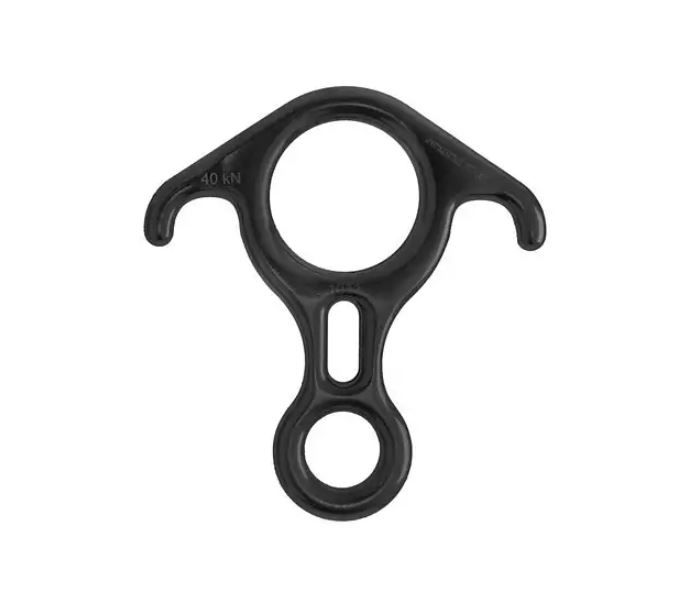
A larger rescue-style 8 with ears for more control and lock-off options in rope work.
View descenders →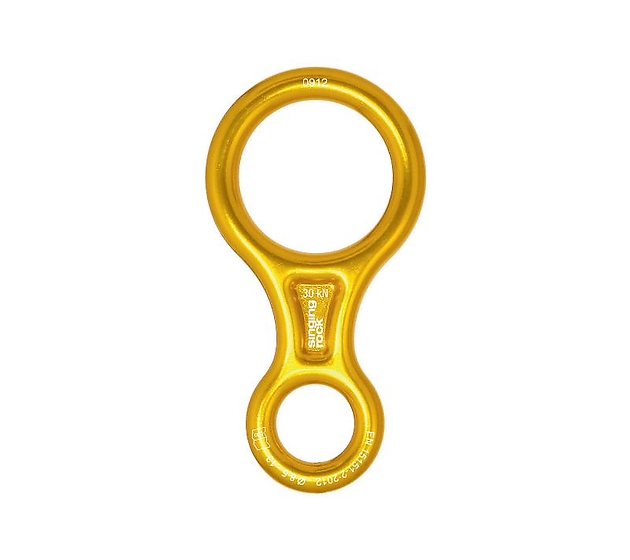
Simple general-purpose 8s where size affects handling, rope compatibility and friction feel.
Compare sizes →| Variant | Shape | Best Use | Main Advantage | Main Limitation |
|---|---|---|---|---|
| Classic Figure 8 | Large rope hole and smaller attachment hole. | General rappelling and controlled descent practice under supervision. | Simple, light, smooth and easy to inspect. | Can twist ropes and needs constant brake-hand control. |
| Large Figure 8 | Same basic shape, but with a bigger body and rope path. | Thicker ropes, smoother lowering and users who want more metal surface area. | More friction surface and heat dissipation than very small 8s. | Bulkier, and still not an assisted-braking belay device. |
| Rescue 8 | Large central opening with side ears or horns. | Rescue, lowering systems, canyoning-style control and technical rope work. | Ears allow extra friction and lock-off style configurations when used correctly. | Requires specific training; larger and not a casual sport-climbing belay tool. |
| Canyoning 8 / Horned 8 | Figure 8 shape with horns, slots or friction-control features. | Canyoning and environments where friction needs to be adjusted quickly. | More friction options than a plain 8. | Technique-specific; wrong rigging can create dangerous friction or lock-off behavior. |
| Specialist Descenders | Bobbins, racks, self-braking descenders and work-positioning devices. | Caving, rope access, industrial work, rescue or long descents. | Purpose-built control for specific rope systems. | Not all are climbing devices; each has its own rope range and certification limits. |
Figure 8s are smooth descenders and handle heat well during controlled rappels, provided the user is trained and the system includes appropriate backup and rope management.
Rescue 8s are larger and often include ears for additional friction and lock-off options. This belongs in trained rescue systems, not improvised casual use.
Figure 8 variants are common in vertical rope environments where descending is the main task and the device may need to work in wet, dirty or abrasive conditions.
A classic 8 has no cam, springs or hidden parts. Wear, burrs, cracks, corrosion and deformation are easy to spot if the user knows what to look for.
In supervised settings, figure 8s can help climbers understand friction, heat and brake-side control. They should not replace modern belay training.
In some rope-access or rescue contexts, an 8-style tool may be part of a broader system. The device choice depends on the rope, load, anchor and task.
Modern climbing context
A figure 8 can be rigged for belaying in some methods, but that does not make it the best choice for modern gym or sport belaying. Tube devices and assisted-braking devices are usually better matched to everyday lead and top-rope belay systems.
The big issue is control. A figure 8 does not provide assisted braking, and the rope path can be fast if the user is inattentive. It can also put twist into the rope, which creates handling problems during long or repeated descents.
General rappelling
A standard 8 is the cleanest option when you want a simple descender for supervised rappel training or general descent use.
More control
A larger body can feel smoother with thicker ropes and gives more metal surface area for heat. It is also bulkier on a harness.
Technical lowering
Choose a rescue 8 only if you understand the rescue or lowering system it will be used in. The ears are useful, but they require correct technique.
Sport belaying
For gym, sport and lead belaying, look at tube devices or assisted-braking devices instead. A figure 8 is not Rockit's default recommendation for that job.
Rope diameter changes friction. Thin ropes can run quickly, while thick ropes can feel slow or jammed. Check the device instructions and practise with backup.
The descender connects to your harness or system with a suitable locking connector. Make sure it is correctly oriented and locked before weighting the rope.
Descenders create heat through friction. Long or fast descents can make metal hot enough to be dangerous to skin, rope or soft goods.
Look for cracks, grooves, burrs, sharp edges, corrosion or deformation. Retire the device if anything could damage the rope or weaken the metal.
Bottom line
Figure 8 descenders are simple, durable and smooth, which makes them useful for rappelling, rescue and specialist descent work. They are not the best modern choice for ordinary gym or sport belaying. If you buy one, choose the variant that matches your rope system, get hands-on instruction, and treat the brake strand as the part of the system that never gets ignored.
This guide was informed by REI Expert Advice on choosing belay devices, Rockit's descender product range, and general manufacturer guidance around matching descenders to the correct rope, connector and task. Manufacturer instructions for your exact device take priority over this summary.
Need help choosing?
Tell us whether you need a descender for rappelling, rescue practice, canyoning or general climbing gear.
Ask on WhatsApp