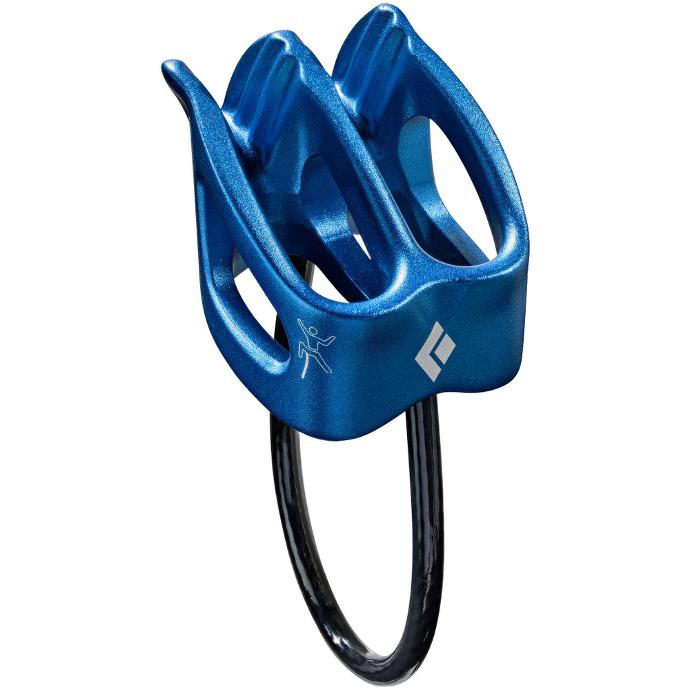
ATC-XP
Classic tube device with a higher-friction mode for more braking control.
View tube devices →
Belay device guide
ATCs, high-friction tubes, guide-mode plates and alpine variants are simple tools, but the way you use them changes completely between sport belaying, rappelling and multi-pitch systems.
Compare tube devicesSafety first
Tube devices are manual friction devices. They do not catch a climber for you. Use this guide to understand the category and choose gear, not to teach yourself belaying, rappelling, guide mode or multi-pitch systems. Learn from a qualified instructor or competent mentor, read the manual for your exact device, and keep control of the brake strand at all times.
Short answer
A tube belay device is a metal friction device that controls the rope by bending it around the device and a locking carabiner. When the brake strand is pulled into the braking position, friction increases and the rope can be controlled.
The appeal is simplicity: no cam, no moving assisted-braking mechanism, light weight, easy inspection, and broad usefulness for belaying and rappelling. The tradeoff is also simple: the belayer does the work. If the brake hand is wrong, the device cannot rescue the system.
Classic tube device with a higher-friction mode for more braking control.
View tube devices →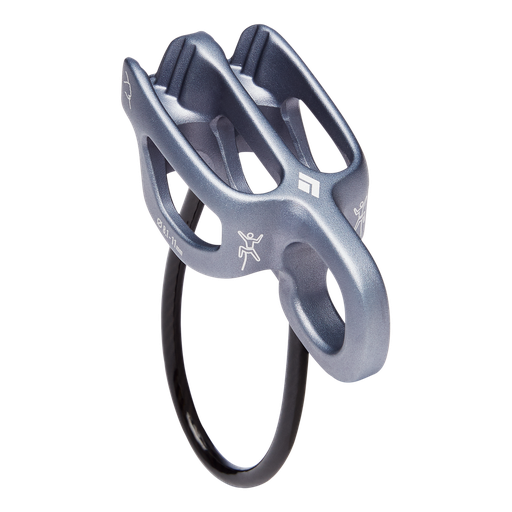
Guide-mode tube device for belaying or rappelling, plus bringing up followers from an anchor.
View guide devices →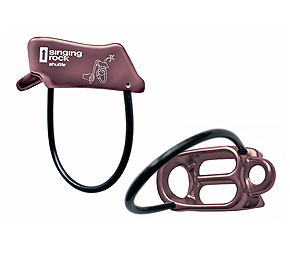
Versatile guide-mode tube with V-grooves for extra friction on single, half and twin ropes.
Compare options →| Variant | Typical Features | Best Use | Main Advantage | Main Limitation |
|---|---|---|---|---|
| Basic Tube | Two rope slots, carabiner loop, simple friction path. | Top rope, lead belay, rappelling and learning rope control. | Light, affordable, easy to inspect and simple to understand. | No assisted braking; brake-hand discipline is everything. |
| High-Friction Tube | Grooves, teeth or V-slots that increase friction in braking mode. | Belaying heavier climbers, rappelling, and controlling thinner ropes. | More stopping power than a smooth tube when used correctly. | Can make feeding less smooth and still has no assisted braking. |
| Guide-Mode Tube | Extra attachment eye and release hole for direct anchor belays. | Trad, multi-pitch, alpine and bringing up one or two followers. | Very versatile: harness belay, rappel and guide-mode follower belay. | Guide mode is for followers, not lead belaying; lowering can be technical. |
| Alpine / Skinny-Rope Tube | Smaller slots and lighter build for thin half, twin or alpine ropes. | Alpine, ice, mountaineering and long routes where weight matters. | Works with thin rope systems that many normal tubes are not made for. | Less beginner-friendly; rope/device compatibility is critical. |
| Simple Sport Tube | Compact tube, often sold with or paired to a locking carabiner. | Budget-friendly gym, sport and top-rope belaying under proper instruction. | Affordable way to learn real brake-hand mechanics. | Many gyms now prefer or require assisted-braking devices for lead belaying. |
Tube devices make the relationship between brake hand, rope angle and friction easy to feel. That is why they are still excellent teaching tools when used under supervision.
Most tube devices can rappel on one or two strands, depending on the rope and device. This makes them more useful than many single-rope assisted-braking devices for descent systems.
Guide-mode devices such as ATC-Guide style tools are popular because they can belay from the harness, rappel, and bring up followers from an anchor.
Many tube devices handle two rope strands, which matters for half-rope, twin-rope and double-rope rappel systems. Always check the approved rope range.
A small tube device is easy to carry as part of a multi-pitch, rescue or rappel kit. It gives options without adding much weight.
No moving parts means wear is visible: grooves, burrs, sharp edges, cracks, deformation and corrosion are straightforward to check.
Guide mode
Guide mode is a feature on some tube devices that allows the device to be attached directly to an anchor to belay one or two followers. When the follower weights the rope, the device can lock in an auto-blocking style configuration.
That does not make it a general assisted-braking device. Guide mode is not used for lead belaying, and lowering a weighted follower from guide mode can be difficult and dangerous without the correct method. Learn it hands-on before relying on it.
Best for climbers who want a simple manual device for belaying, rappelling and multi-pitch versatility. They demand full brake-hand discipline.
Best for single-rope sport and gym belaying when extra braking support is desired. Many do not rappel on two strands and are not guide-mode tools.
Best for rappelling, rescue and specialist descent contexts. They are smooth descenders but not Rockit's default recommendation for modern sport belaying.
Many experienced climbers own an assisted-braking device for sport belays and a guide-mode tube for rappels, trad, multi-pitch and backup systems.
Basic sport and top rope
If you want a simple tube for learning, top rope, rappelling and controlled manual belaying, a basic or high-friction tube is the cleanest starting point.
Trad and multi-pitch
If you need guide mode, choose a device built for it. The extra attachment eye opens follower-belaying and rescue options, provided you learn the system.
Thin alpine ropes
Alpine variants are tuned for thinner rope systems. They are useful for experienced climbers using half, twin or skinny ropes, not casual beginner sport use.
Gym lead belaying
Some gyms require assisted-braking devices for lead belaying. A tube may be excellent for learning, but it may not be accepted for every indoor session.
Thin ropes can run quickly and thick ropes can feed poorly. Check the device's approved rope diameters and practise before using a new combination.
Tube devices depend on the device, rope and locking carabiner working together. Shape and orientation change friction and handling.
Look for sharp edges, deep wear grooves, burrs, cracks, deformation or corrosion. Retire anything that could damage the rope.
Harness belay, rappel and guide mode are different systems. The same device can be safe in one mode and dangerous if rigged as though it were another.
Bottom line
Assisted-braking devices get most of the attention now, but tube devices remain some of the most useful tools in climbing. They teach real brake-hand mechanics, rappel well, work with many rope systems, and guide-mode versions are central to trad and multi-pitch climbing. Just remember the deal: simple gear demands careful technique.
This guide was informed by REI Expert Advice on choosing belay devices, Rockit's tube-device product range, and manufacturer-style guidance around rope compatibility, brake-hand control and guide-mode use. Manufacturer instructions for your exact device take priority over this summary.
Need help choosing?
Tell us whether you climb sport, trad, multi-pitch or gym, and what rope diameter you use.
Ask on WhatsApp