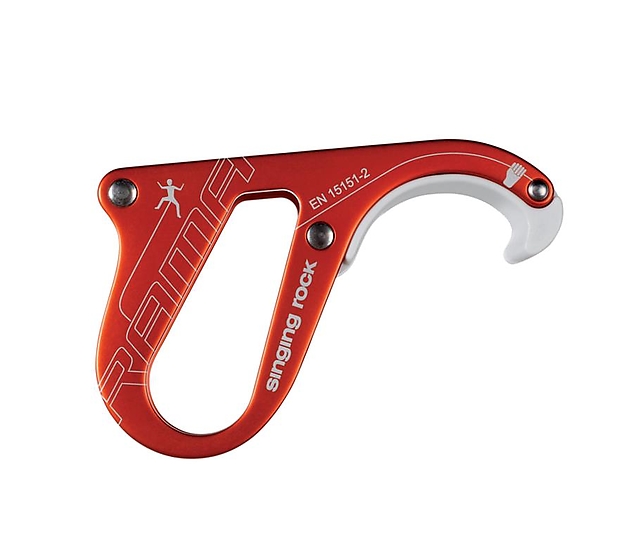
Singing Rock RAMA
Light, simple, no moving parts, wide upper rope range and the lowest Rockit price.
Read the RAMA guide →
Belay device comparison
A side-by-side comparison of Rockit's three assisted-braking belay devices, with the stats that matter and the practical differences that are easy to miss.
Compare the statsSafety first
Every device on this page still requires proper belay instruction, correct loading, a locked carabiner, a controlled brake strand and a partner check. Use this comparison to choose gear, not to teach yourself belaying from a screen.
Short answer
The RAMA is the best-value no-moving-parts option and Rockit's preferred beginner pick. The ATC Pilot is a compact geometry-assisted device with very similar intent but a narrower upper rope range. The Birdie is the heavier, more expensive cam-assisted option for climbers who want a Grigri-style category of support without buying a Grigri.
The real question is not "which one locks best?" It is: which device matches your rope, carabiner, climbing style, training and belay habits?
Light, simple, no moving parts, wide upper rope range and the lowest Rockit price.
Read the RAMA guide →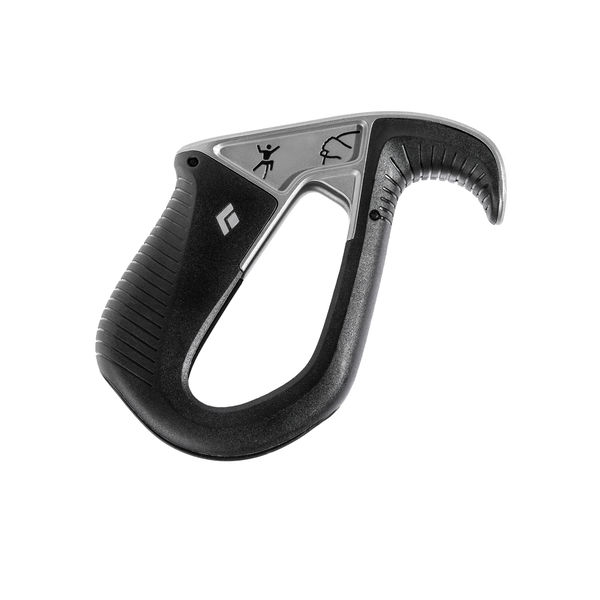
Geometry-assisted, tube-like handling, no moving parts and a compact single-pitch focus.
Read the ATC Pilot guide →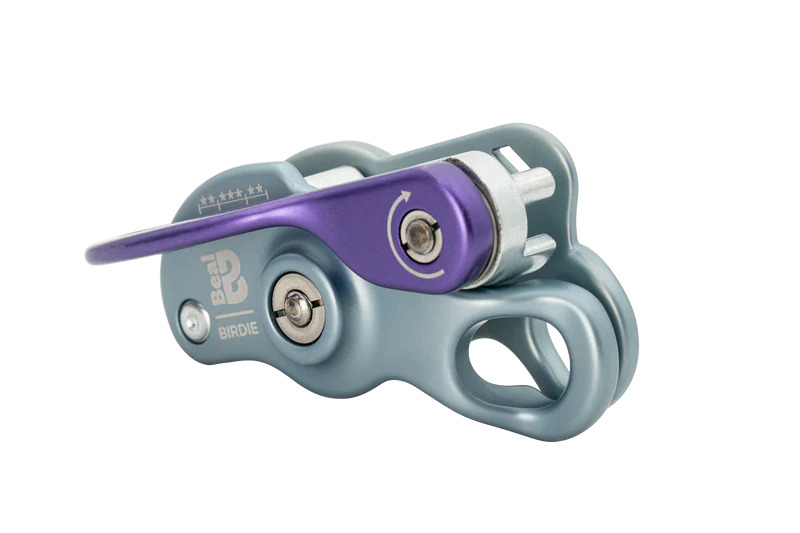
Cam-assisted, rope-friendly metal build, heavier feel and the strongest mechanical category here.
Read the Birdie guide →| Device | Rockit Price | Braking Style | Rope Range | Weight | Standard | Best Use | Main Strength | Main Limitation |
|---|---|---|---|---|---|---|---|---|
| Singing Rock RAMA | R680 | Enhanced braking, no moving parts or lever | 8.7-11 mm single ropes | 84 g | EN 15151-2, Type 2 | Gym and single-pitch sport climbing | Best value, lightest, widest upper rope range | Not cam-assisted; depends strongly on rope, carabiner and handling |
| Black Diamond ATC Pilot | R1010 | Geometry-assisted braking, no moving parts | 8.7-10.5 mm single ropes | 86 g | EN 15151-2, Type 2 | Single-pitch sport and gym belaying | Simple tube-like feel with smooth payout and controlled lowering | Narrower upper rope range than RAMA; no guide mode |
| Beal Birdie | R1650 | Cam-assisted braking | 8.5-10.5 mm single dynamic ropes | 220 g | EN 15151-1:2012 | Lead and top-rope belaying | Most mechanical assistance; rope-friendly rounded metal design | Heaviest and most expensive; lowering technique is device-specific |
The Birdie costs the most because it is a heavier cam-assisted device. That does not automatically make it the safest choice for every climber. A well-trained belayer on a RAMA is safer than an untrained belayer who trusts a cam blindly.
RAMA reaches up to 11 mm, which is useful for thicker gym or workhorse sport ropes. Birdie starts lower at 8.5 mm, which can suit thinner single ropes, but thinner ropes demand careful brake-side control.
RAMA and ATC Pilot are light, simple assisted devices. Birdie is 220 g because it is a cam-assisted metal device. That extra weight is not bad; it just tells you what style of tool you are buying.
All three are best understood as single-rope belay devices for gym, top-rope or single-pitch sport use. If you need guide mode for multi-pitch belaying from an anchor, choose a different device.
Rockit recommendation
For most newer climbers buying a first assisted-braking belay device from Rockit, the RAMA is still the easiest recommendation. It is affordable, light, simple to inspect, compatible with common sport and gym rope sizes, and it reinforces normal brake-hand discipline.
Choose the ATC Pilot if you specifically like Black Diamond gear, want a compact geometry-assisted device, and use ropes inside its 8.7-10.5 mm range. Choose the Birdie if you want a cam-assisted device and are willing to spend more time learning the exact feeding and lowering movement.
Newer belayer
If you are learning with proper supervision, RAMA gives the best mix of price, simplicity and useful braking support. It is Rockit's default beginner recommendation.
Read the RAMA guide →Black Diamond preference
The ATC Pilot is a neat, compact option if your rope range suits it and you want geometry-assisted braking in a familiar Black Diamond package.
Read the ATC Pilot guide →Cam-assisted feel
If you want a cam-assisted belay device for lead and top-rope belaying, Birdie is the one in this trio. Expect more weight, higher price and device-specific lowering practice.
Read the Birdie guide →Wrong use case
If your goal is multi-pitch guide mode, half ropes, twin ropes, rope soloing or rescue systems, this is the wrong category. Look at guide-mode tube devices or specialist equipment instead.
Back to belay devices →Bottom line
If you want Rockit's best-value recommendation for a newer sport or gym belayer, choose the Singing Rock RAMA. If you want a compact Black Diamond no-moving-parts option, choose the ATC Pilot. If you want a cam-assisted device and accept the higher price and weight, choose the Beal Birdie. Whichever you choose, learn it properly and keep your brake hand on the rope.
Stats and safety notes were checked against the Singing Rock RAMA catalogue sheet, Black Diamond ATC Pilot product page, Beal Birdie product page, and the official device notices where available. Manufacturer instructions take priority over any summary on this page.
Still choosing?
Send us your rope diameter, climbing style and experience level, and we will help you pick the right device.
Ask on WhatsApp